
Articles
Featured Articles
Read our latest stories on the people and scientific innovations making a difference in patients’ lives.

Science & Innovation
How AI Is Already Reshaping Cancer Care
When treating cancer, few things are more precious than time. Jeanine Bortel, Vice President and Head of AI Portfolio Development at Pfizer, who has developed clinical trials at Pfizer for more than two decades, remembers when she first witnessed the transformative potential of artificial intelligence (AI) put into practice to help address the needs of patients enrolled in cancer clinical trials.For years, Bortel’s work had run up against an inherent challenge: Many cancer patients miss out on...

Science & Innovation
Spotting the Signs of ATTR-CM: Latest Data Reveals Opportunities for More Timely Detection
For many people living with transthyretin amyloid cardiomyopathy (ATTR‑CM) – a rare and underdiagnosed cause of heart failure – receiving an accurate diagnosis can be a long and uncertain journey.1,2 Symptoms often resemble more common heart conditions, and early clues are easy to miss.1 But, new real-world evidence being shared at the American College of Cardiology (ACC) Scientific Sessions highlights opportunities to raise suspicion earlier in the diagnostic journey.“Many patients are already...
Science & Innovation
As Colorectal Cancer Rises in Younger Populations, Research and Education is More Important than Ever
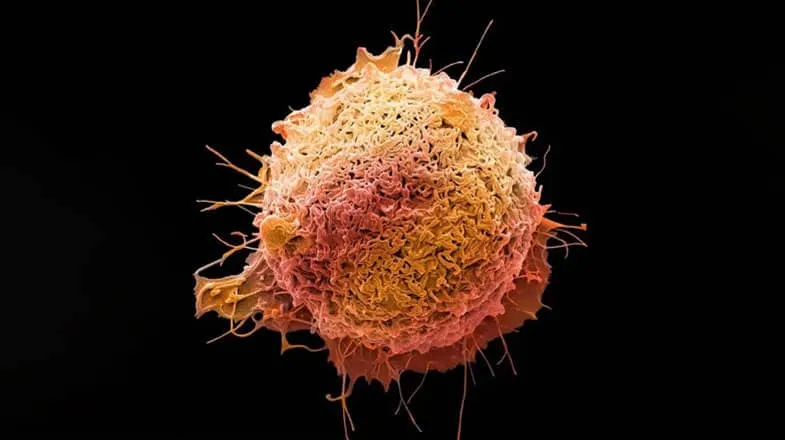
At one time, colorectal cancer was a disease associated with older adults. Now, it’s considered the most deadly cancer in people younger than 50.1Even as deaths from the other most common cancers (breast cancer, lung cancer, brain cancer and leukemia) have fallen by 44% over a 30-year-period, according to the American Cancer Society, colorectal cancer deaths have increased 1.1% per year in younger people since 2005.1 It’s a development that’s alarming—and mystifying—healthcare providers and...
Science & Innovation
How Innovative Diagnostics Are Supporting a Potential Approach to C. difficile
When scientists design a new vaccine candidate, they must also identify diagnostic tests that can be used to measure how effective that vaccine is. Those tests are often as unique and innovative as the vaccine candidate itself, says Michael Pride, Pfizer’s Vice President, Bacterial Vaccines.“Just as there’s no one-size-fits-all-pathogens vaccine, every diagnostic test is different, depending on the organism you want to detect,” says Pride.Recently, Pfizer developed and validated a test for use...

Science & Innovation
Behind the Science: A New Path to Tackling Metastatic Breast Cancer
In recent decades, advances in breast cancer treatment have helped to improve health outcomes for many patients, but scientists remain vigilant in their quest to further reduce both the incidence and impact of the disease. Breast cancer is one of the most common cancers in women, with about one in eight women in the United States alone diagnosed during their lifetimes.i Metastatic breast cancer, a more advanced and invasive form of the disease, remains a particularly critical area of unmet need...

Science & Innovation
Behind the Science: Breaking the Cycle of C. difficile
The human gut contains a variety of bacteria and other microorganisms comprising the microbiome, and that’s a good thing! A healthy microbiome helps maintain a strong immune system and aids in digestion, among other important tasks. But sometimes, too much of a specific bacterium can result in infection, with the potential to progress from an ordinary health challenge to a life-threatening ordeal.Clostridioides difficile, also known as C. difficile, is one such bacterium. It often exists...

Science & Innovation
Pursuing the Next Breakthrough in Cancer Cachexia
Cachexia, a complex wasting syndrome, impacts an estimated 9 million people worldwide.[i] In people living with cancer, cachexia can diminish the tolerance of therapies and is linked to reduced survival rates. Currently, there are no FDA-approved treatments targeting its underlying cause.Over time, the way researchers and physicians understand cachexia has evolved, with growing focus on uncovering the biology behind this devastating disease.In an effort to address a critical gap in care and help...
Science & Innovation
Brighter Together: How the Pharmaceutical Industry is Shining a Light on a Rare Cause of Heart Failure
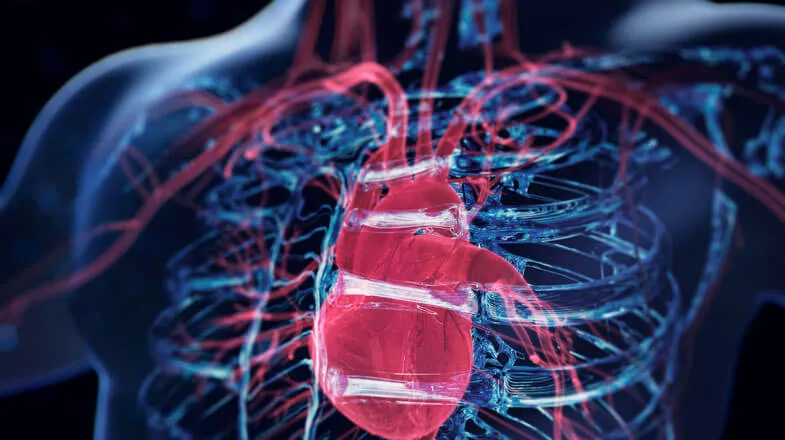
Roughly one in three Americans is at risk for heart failure1, a condition where the heart can no longer effectively pump blood. And one in four will develop heart failure at some point in their lives1. Behind these statistics is a complex issue: the causes of heart failure differ widely among affected individuals. And identifying the underlying cause – especially if it’s rare – can be tricky.Among the less recognized causes is transthyretin amyloid cardiomyopathy, or ATTR-CM, which can mimic...
Science & Innovation
Developing a Path Forward in Cancer Cachexia
Across disciplines, therapeutic areas, and even continents, Pfizer scientists have been working to advance understanding of – and potential treatments for – cachexia, a complex metabolic condition associated with certain chronic conditions, such as cancer, and characterized by severe weight loss, decreased appetite, fatigue, and muscle wasting. Its symptoms can often be misattributed, and there are currently no FDA-approved treatments targeting its root cause.But, over the past decade, the...

Science & Innovation
The Next Era of Decentralized Clinical Trials: The Clinical Trial Anywhere Model
During the early months of 2020, decentralized modalities to conduct clinical trials went mainstream as a solution to a short-term problem: how to continue clinical trials amid pandemic closures. At Pfizer, however, remote trials and the use of digital tools to conduct clinical trials were implemented long before the pandemic. Increased adoption of modalities like telehealth visits became catalysts for how — and where — clinical research could be done.What's more, surveys show that participants...

Science & Innovation
Harnessing the Power of AI to Detect ATTR-CM
Artificial intelligence (AI) has quietly become a part of our daily lives – through personalized recommendations, virtual assistants, or smart devices, we barely notice it anymore. Yet many of us might not realize the advances AI is making in healthcare. From accelerating drug discovery to improving disease detection, it is transforming the way we understand and manage health.AI has had numerous applications in cardiology in recent years, from analyzing results of cardiac imaging tests to...

Science & Innovation
Viral vs Bacterial Infections: Different Pathogens, Different Approaches
When you experience symptoms of an infection such as fever, fatigue, decreased appetite, or pain, knowing whether a virus or bacteria is making you sick may be the key to getting the right treatment and feeling better.1,2Viruses and bacteria are among the most well-known causes of infection.3 Infections occur when viruses or bacteria invade the human host and proliferate.3 But there are some important distinctions between them, and it’s important to determine whether it’s a bacteria or virus...
Media Resources & Contact Information
Anyone may view our press releases, press statements, and press kits. However, to ensure that customers, investors, and others receive the appropriate attention, Pfizer Media Contacts may only respond to calls and emails from professional journalists.